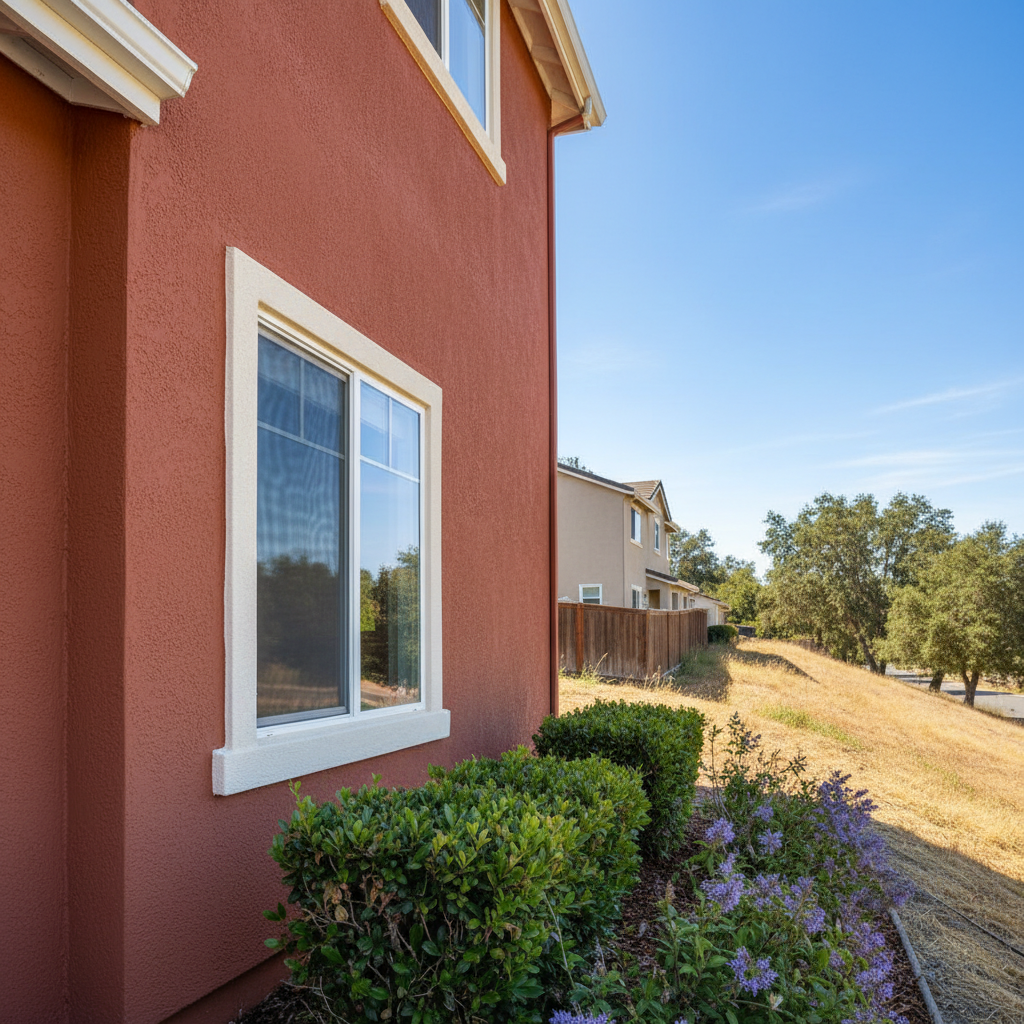
So, you've just had your home redashed. Maybe it was a full redo, or just a section that needed some love. Either way, you've invested in your home's curb appeal and protection. Good job! But here's the thing: that fresh stucco isn't a 'set it and forget it' kind of deal. You've gotta show it a little attention if you want it to last, especially with our Castro Valley weather patterns.
Making Your Redash Last Longer
The biggest thing you can do to extend the life of your stucco redash starts with the initial installation. But since that's already done, let's focus on what's next. First off, proper curing is crucial. If your contractor rushed things or didn't follow the right steps, you might see issues sooner. Assuming it was done right, the next big thing is managing moisture. Stucco is tough, but constant dampness is its enemy. Make sure your gutters are clean and directing water away from the foundation. I've seen too many homes in the hills above Redwood Road where clogged gutters just dump water right down the side of the house, leading to premature stucco failure.
Another key is to keep plants and landscaping trimmed back. Vines growing directly on stucco? That's a definite no-go. They trap moisture, can physically damage the surface as they grow, and make it impossible to inspect for issues. Give your stucco some breathing room.
Regular Upkeep: What You Should Be Doing
Regular maintenance for redashed stucco isn't rocket science, but it does require a little consistency. Mostly, it's about keeping things clean and dry.
- Cleaning: You'd be surprised how much dirt, dust, and even algae can build up, especially on north-facing walls that don't get much sun. A gentle rinse with a garden hose is usually all you need. For tougher spots, a soft brush and a mild detergent solution (like dish soap and water) can work wonders. Just don't use a high-pressure washer too close or too aggressively; you could damage the finish or force water into places it shouldn't be.
- Inspections: Walk around your house a couple of times a year. Really look at the stucco. Are there any new cracks? Discoloration? Are the weep screeds clear? These little walk-arounds are your first line of defense. Pay extra attention after heavy rains, which we get plenty of around here, especially in those older parts of town with less drainage.
- Sealants and Paint: If your stucco was painted, keep an eye on the paint condition. Fading or peeling paint isn't just an aesthetic issue; it can compromise the stucco's protection. Repainting every 5-10 years, depending on the paint quality and sun exposure, can add a significant layer of defense. If it's unpainted, a breathable sealant can offer an extra layer of water resistance without trapping moisture inside.
Warning Signs of Stucco Problems
You don't need to be a stucco expert to spot trouble. Here are some red flags that tell you something's not right:
- Cracks: Hairline cracks are pretty normal with stucco's natural expansion and contraction, especially in our earthquake-prone region. But wider cracks (say, thicker than a credit card) or cracks that spiderweb or run diagonally from window/door corners? Those are concerning. They can be entry points for water.
- Discoloration or Stains: Dark streaks, especially under windows, eaves, or near the ground, often mean water is getting in or there's persistent moisture. Green or black patches could be mold or algae, which means there's too much moisture present.
- Bulging or Soft Spots: If you press on the stucco and it feels soft, spongy, or you see it bulging outwards, that's a serious sign of water damage behind the stucco. This usually means the lath or sheathing underneath is compromised.
- Efflorescence: This is that white, powdery residue you sometimes see. It's mineral salts left behind when water evaporates from within the stucco. It signals that water is getting in and then drying out, leaving deposits.
- Loose or Detached Stucco: This is an obvious one. If pieces are falling off or it sounds hollow when you tap it, you've got a problem.
When to Call a Professional
Look, you can handle a lot of the basic stuff yourself – cleaning, checking gutters, trimming plants. But when you see any of those warning signs I just mentioned, especially the bigger cracks, bulging, or persistent staining, it's time to call in the pros. Trying to patch up significant water damage yourself usually just makes things worse or hides the real problem. We've seen it countless times.
At Castro Valley Stucco & Plastering, we're not just about putting up new stucco; we're about keeping your existing stucco in top shape. If you're seeing any of these issues or just want an expert eye to assess your redash, don't hesitate to give us a call. Catching problems early can save you a lot of headache and money down the road. It's all about protecting your investment and keeping your home looking its best.