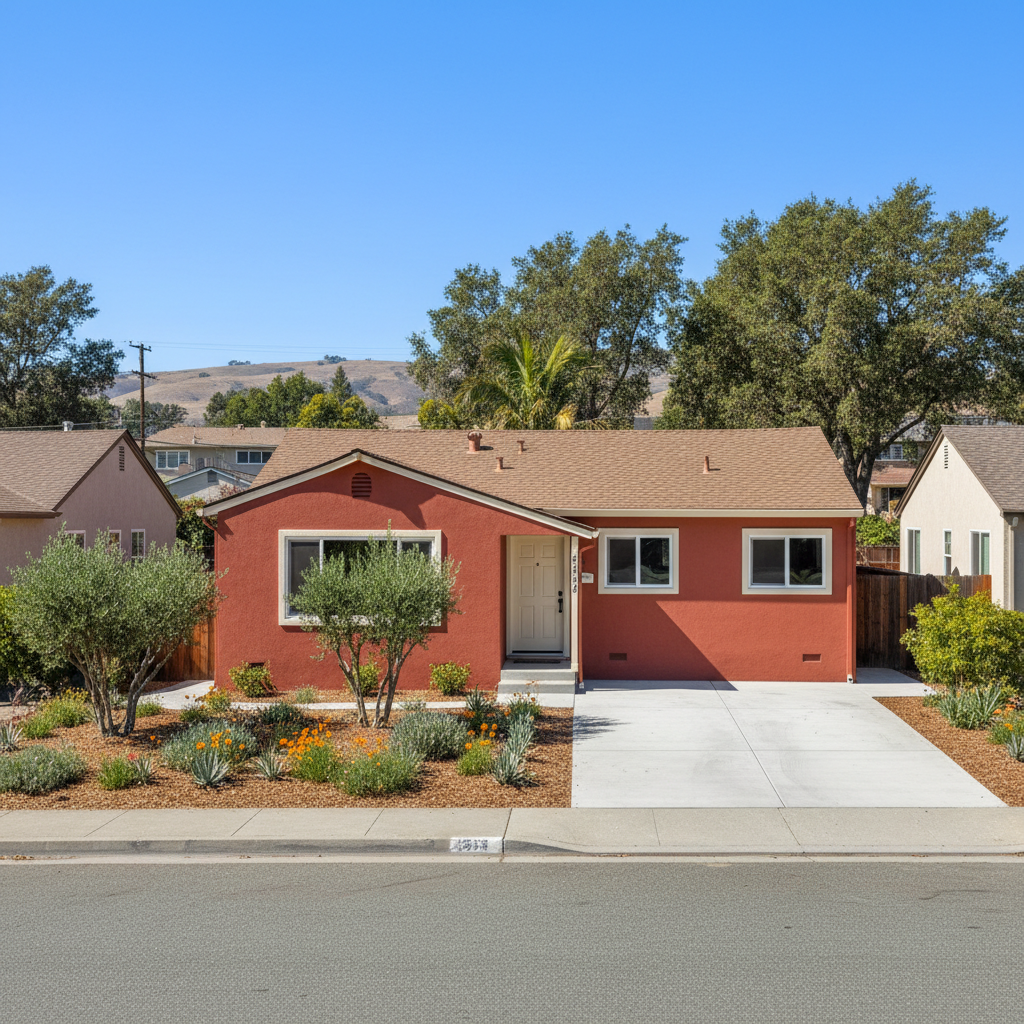
Alright, let's talk about stucco redashing. It's a pretty common project here in Castro Valley, and for good reason, too. Your stucco really takes a beating over the years, especially with our hot, dry summers and those damp, foggy mornings we get sometimes. You might be looking at your house, seeing some cracks, maybe some fading, or just thinking it's time for a facelift. But before you jump into anything, there are a few things I want you to know.
Why Redash? It's More Than Just Looks
When folks call me up about redashing, they're usually focused on how it'll look. And yeah, a fresh coat of stucco can make your home look brand new, boost that curb appeal, and frankly, make you proud to pull into your driveway. But it's not just about looking good, not at all. A proper redash job is really about protecting your investment.
Over time, stucco can develop hairline cracks. These aren't always a huge deal on their own, but they're basically pathways for moisture. And once water gets behind that stucco, you're looking at potential dry rot, mold, and bigger structural issues down the line. We've seen it happen too many times, especially in those older homes up in the hills off Crow Canyon Road, where the original stucco might be 40, 50, even 60 years old. A good redash seals up those minor imperfections and gives your home a fresh, durable shield against the elements. Pretty important, right?
What's Involved in a Redash?
It's not just slapping on another layer, believe me. A proper redash involves careful preparation. First, we're going to inspect your existing stucco. We're looking for any loose sections, major cracks, or areas where the original stucco has delaminated. Anything compromised needs to be repaired or even removed and patched before we even think about applying new material.
Then, it's all about cleaning. You wouldn't paint a dirty wall, would you? Same goes for stucco. We'll power wash to get rid of dirt, grime, mildew, and any loose paint. After that, depending on the condition and the type of finish you're going for, we might apply a bonding agent. This makes sure the new stucco coat sticks properly to the old one. Then comes the actual application of the new finish coat. This is where the skill really comes in – getting that consistent texture, whether you want a smooth finish, a Santa Barbara, or something with more aggregate. Finally, we cure it properly, which is critical for durability.
Local Conditions Matter, Big Time
This isn't like painting an interior wall. Our local climate plays a huge role in how stucco performs and how a redash should be done. We get that wide swing in temperatures – hot days, cool nights. Plus, the soil conditions around Castro Valley, especially in some of the older neighborhoods with expansive clays, can lead to foundation movement, which in turn can cause stucco cracks. You need a contractor who understands these nuances.
For example, curing time. If you're redashing in the middle of summer, that stucco dries fast. Too fast, and it can crack. If it's too humid, it won't cure right. A local crew, like us at Castro Valley Stucco & Plastering, knows how to adjust our methods for the time of year and the specific weather conditions we're dealing with that day. We're not just following a generic playbook; we're adapting to what Castro Valley throws at us.
Choosing Your Finish: Texture and Color
This is where you get to put your personal stamp on it. There are so many textures available now. You can go with a classic smooth finish, which looks really sharp on modern homes, or a traditional sand finish that has a bit more grip. Maybe you like the look of a dash finish, which is a bit rougher, or a Santa Barbara, which is a hand-troweled, slightly irregular look that’s really popular. We can even match existing textures if you're only doing a partial redash.
Color is another big decision. You can go with an integral color, where the pigment is mixed right into the stucco itself, or you can apply a colored coating over a natural stucco base. Integral colors tend to be more durable and fade-resistant over the long haul, but colored coatings offer a wider range of options. Think about your home's style, your landscaping, and what will look good for years to come. I always recommend looking at samples in different light conditions – morning, midday, evening – because the color can change dramatically. It's wild how much light affects things.
Don't Skimp on Expertise
I can't stress this enough: don't just hire the cheapest guy with a truck. Stucco work, especially redashing, is a skilled trade. There's a lot of knowledge that goes into proper preparation, mixing, application, and curing. If it's done wrong, you're not just out the money; you could be looking at bigger problems down the road. You want someone who's licensed, insured, and has a proven track record right here in our community.
Ask for references, look at their past work, and make sure they're transparent about the process and materials they'll use. We're talking about the exterior of your home, the first line of defense against the elements. It's worth investing in quality workmanship. You'll be glad you did when your home looks fantastic and stays protected for decades.