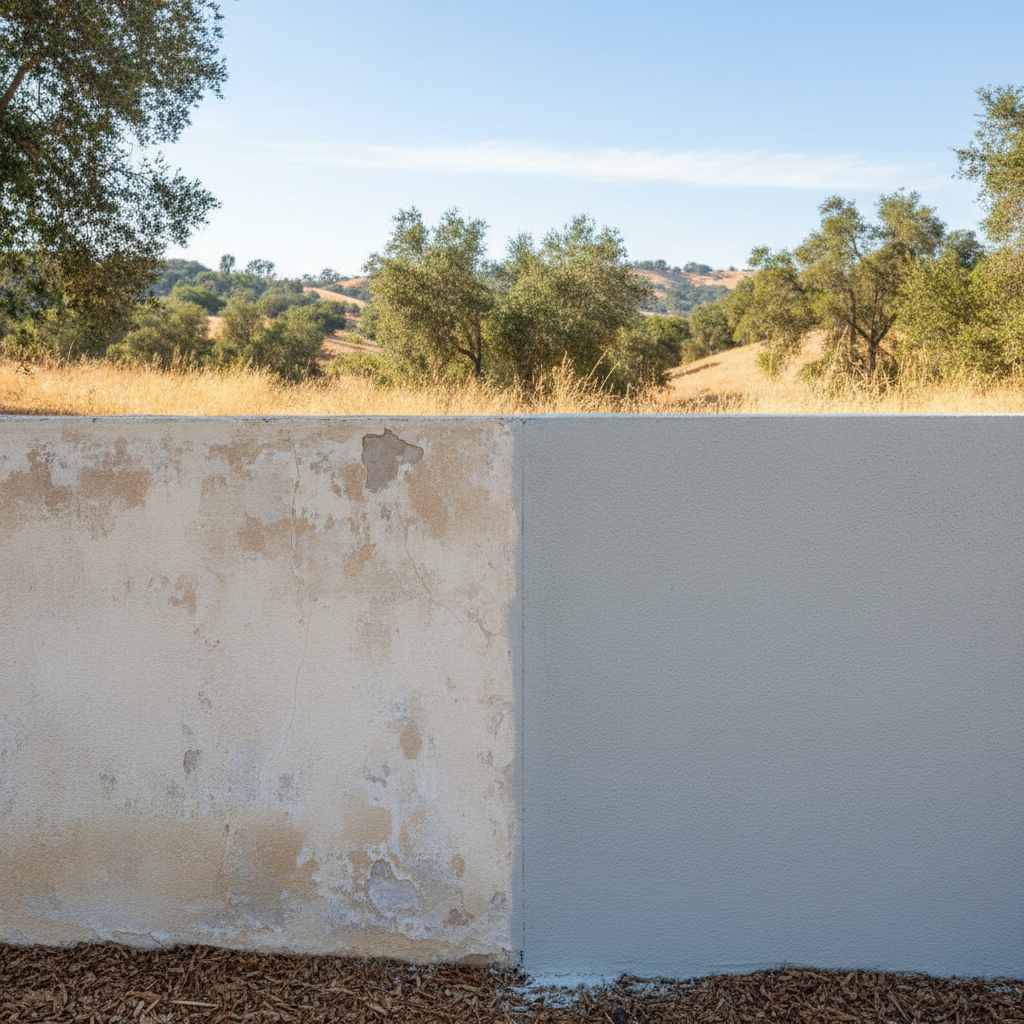
So, your stucco's looking a little tired, huh? Maybe it's faded, dirty, or you're just ready for a fresh color. When you want to give it a new look, you've got a couple of main routes to go down: painting it with a traditional paint product, or staining/fog coating it. It's not just about picking a color, though. These two approaches are pretty different when you get right down to it, especially for homes here in Castro Valley.
Stucco Paint: The Familiar Option
When most folks think about changing their stucco's color, they think paint. And for good reason, it's what we're all used to. You pick a color, a crew comes out, and they spray or roll it on. Seems simple enough, doesn't it?
Cost
Upfront, painting can sometimes seem like the cheaper option. A good quality acrylic or elastomeric paint isn't cheap, but the labor might be a bit less intensive than a stain, depending on the prep work. You're usually looking at a few dollars per square foot. Keep in mind, that can vary wildly based on the condition of your existing stucco and how much patching or repair it needs before the paint goes on.
Durability & Maintenance
A good quality paint, especially an elastomeric one, can last a solid 7-10 years. Sometimes even more, if it's applied correctly and the stucco underneath is sound. Elastomeric paints are designed to stretch a bit, which helps bridge hairline cracks – a common issue with stucco as houses settle or expand and contract with our Bay Area weather. The downside? Paint forms a film on top of the stucco. Over time, this film can peel, chip, or blister, especially if moisture gets trapped behind it. When it fails, it often means scraping, sanding, and a whole lot of prep before you can repaint. You'll also notice dirt and mildew can build up on painted surfaces, requiring regular washing.
Appearance
Paint gives you a solid, opaque color. It covers up the existing stucco texture completely. This can be a pro or a con, depending on what you're after. If you want a brand new, uniform look, paint delivers. But it also means you lose some of that natural, earthy depth that stucco can have. It can sometimes look a bit 'flat' compared to a stained finish.
Stucco Stain (Fog Coat): The Deeper Look
Now, let's talk about staining, often called a 'fog coat' in the stucco world. This isn't like staining wood; it's a very thin, pigmented cement-based coating that's applied to the stucco. It's designed to change the color without completely obscuring the original texture.
Cost
Initially, staining might be a little more expensive per square foot than a basic paint job. The materials are specialized, and the application requires a bit more finesse to get right. It's not just spraying on a uniform coat; you're often working with the existing texture and trying to achieve a consistent, yet natural, look. However, when you factor in the longer lifespan and easier maintenance, the long-term cost can often be lower.
Durability & Maintenance
This is where stains really shine. Because a fog coat penetrates the stucco rather than just sitting on top, it doesn't peel, chip, or blister like paint can. It actually becomes part of the stucco itself. We've seen fog coats last 15-20 years, sometimes even longer, especially on homes with good eaves that protect them from the worst of the sun and rain. When it eventually fades, you can often just re-stain right over the old one with minimal prep. It's also more breathable, which is great for stucco, allowing moisture to escape and reducing the risk of issues. And because it's cement-based, it tends to resist dirt and mildew better than paint, meaning less frequent cleaning.
Appearance
A stain provides a much more natural, translucent finish. It allows the original texture and variations of the stucco to show through, giving your home a richer, more authentic look. Think of it like a sheer wash of color. If you've got a beautiful dash finish on your stucco, a stain will enhance it, whereas paint would just cover it up. For many of the older homes in the Fairview area, with their classic stucco finishes, a stain just looks right.
My Recommendation for Castro Valley Homeowners
Alright, so which one should you choose? For most homeowners here in Castro Valley, I'm going to lean towards a stucco stain or fog coat. Here's why:
- Longevity: You get a much longer-lasting finish that won't peel or chip. That means less hassle and expense down the road.
- Breathability: Stucco needs to breathe, plain and simple. A stain allows for that, reducing moisture issues that can plague painted stucco.
- Natural Look: It just looks better. It respects the original character of your stucco, giving it a depth that paint can't match.
- Easier Re-application: When it's time to refresh, re-staining is usually a much simpler process than repainting, which often involves extensive scraping and prep.
Now, if your stucco is in really rough shape, with lots of mismatched patches or severe discoloration, paint might be the only way to get a uniform look without re-dashing. But even then, we'd talk about the pros and cons. At Castro Valley Stucco & Plastering, we've done both, and we've seen firsthand how each holds up to our local conditions. If you're unsure, give us a call. We can take a look at your home and give you an honest assessment of what's going to work best for your specific situation and budget.