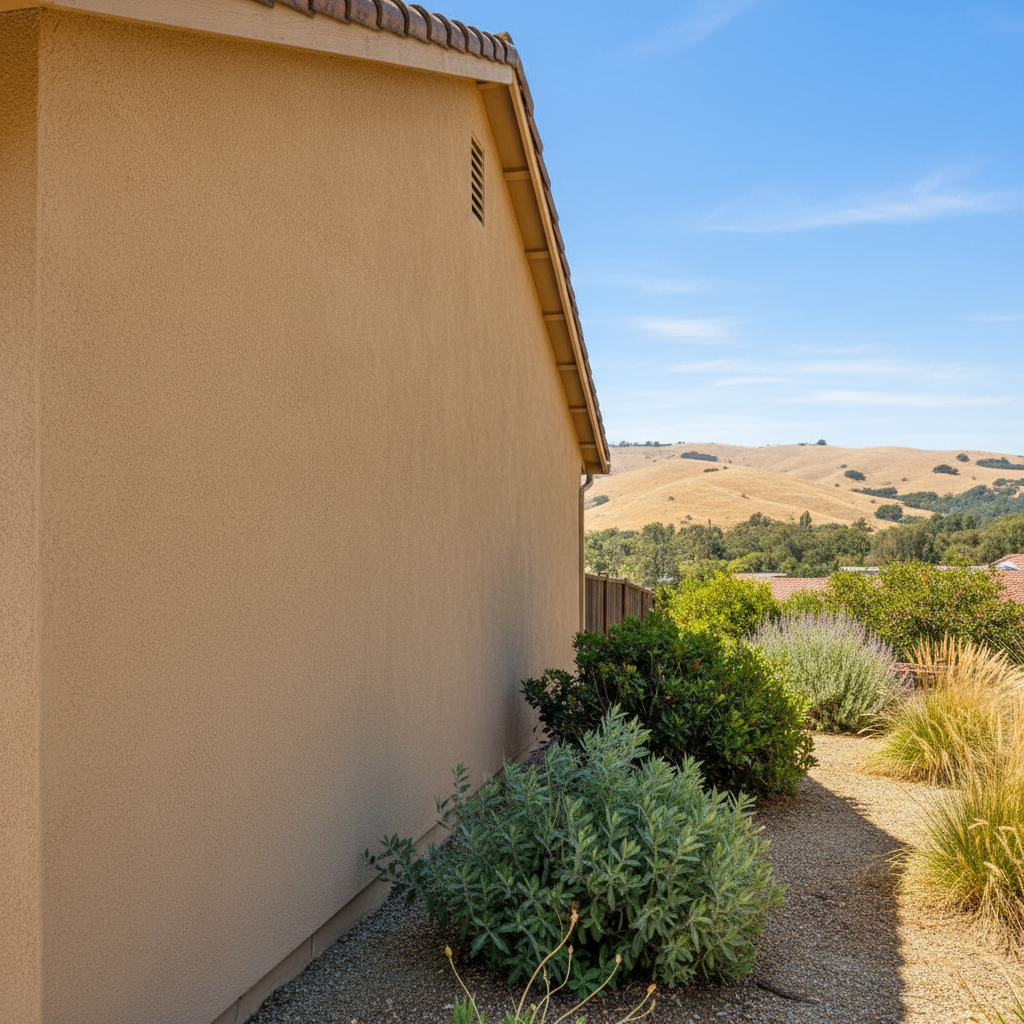
Commercial stucco is a tough, durable finish, no doubt about it. You see it all over Castro Valley, from our bustling downtown storefronts to the light industrial parks near Lake Chabot. It's a popular choice for good reason – it looks great, it's fire-resistant, and it holds up well to our Bay Area weather. But 'durable' doesn't mean 'indestructible,' especially when it comes to a commercial property that sees a lot more wear and tear than a typical home.
Why Your Commercial Stucco Needs Regular Attention
Think about it: your commercial building is an asset. Its exterior is the first thing clients, customers, and employees see. A well-maintained stucco finish projects professionalism and care. Neglect it, and you're not just risking aesthetic appeal; you're inviting bigger, more expensive problems down the line. Our climate here in Castro Valley, with its dry summers and wet winters, can really put stucco to the test. The constant expansion and contraction from temperature swings, plus the occasional heavy rain, can create tiny stresses that grow into big issues if ignored.
The Lowdown on Regular Maintenance
Keeping your commercial stucco in top shape isn't rocket science, but it does require consistency. Here's what I tell my clients:
- Keep it Clean: This is probably the easiest thing you can do. Dirt, grime, and even mildew can build up, especially on north-facing walls or in shaded areas. A simple low-pressure wash with a mild detergent (like a diluted bleach solution for mildew) can do wonders. Don't use high-pressure washers; they can damage the stucco surface and force water into places it shouldn't be. Do this once a year, maybe twice if your building is in a high-traffic area or under a lot of trees.
- Inspect Regularly: Walk around your building at least twice a year, maybe after the rainy season and again before the dry spell. Look for cracks, discoloration, or any signs of moisture. Pay extra attention around windows, doors, rooflines, and where different materials meet. These are common spots for water intrusion.
- Check Sealants and Flashing: The caulk around windows, doors, and expansion joints isn't just for looks; it's a critical barrier against water. Over time, it dries out, cracks, and pulls away. Same goes for flashing – those metal pieces that direct water away from vulnerable areas. If you see any gaps or crumbling caulk, get it repaired or replaced promptly. This is a small fix that prevents huge headaches.
- Address Landscaping: Keep plants and irrigation systems away from the stucco. Overgrown bushes can trap moisture against the wall, and sprinklers hitting the stucco can lead to constant dampness, discoloration, and eventual damage. Trim back anything that's touching the building.
Warning Signs You Can't Ignore
Sometimes, despite your best efforts, problems pop up. Knowing what to look for can save you a lot of money and hassle. These are the red flags:
- Cracks: Hairline cracks are pretty normal, but anything wider than a credit card, or cracks that run in a spiderweb pattern, could indicate structural movement or water damage. Horizontal cracks often point to different issues than vertical ones.
- Discoloration or Stains: Dark streaks, especially under windows or near the roofline, are almost always a sign of water intrusion. Green or black patches could be algae or mold, which thrive in damp conditions.
- Bubbling, Blistering, or Peeling: This means moisture is trapped behind the stucco, trying to escape. If you see this, you've definitely got a water problem.
- Soft Spots: If you gently tap on the stucco and it sounds hollow or feels soft, that's a bad sign. It means the substrate underneath is likely compromised by moisture.
- Efflorescence: This is that white, powdery substance you sometimes see on masonry. It's mineral salts left behind when water evaporates from the stucco. It indicates moisture is moving through the wall.
When to Call a Professional (Like Us!)
Look, I'm a big believer in DIY for small stuff, but some things are best left to the pros. If you spot any of those serious warning signs – significant cracking, widespread staining, bubbling, or soft spots – it's time to call in an expert. Don't try to patch over serious water damage; you'll just be putting a band-aid on a broken bone. A professional stucco contractor, like us at Castro Valley Stucco & Plastering, can properly diagnose the issue, identify the source of the problem, and make lasting repairs. We've seen it all, from minor cosmetic fixes to major water intrusion remediation, especially in older commercial buildings around Redwood Road where drainage can be a real challenge.
Ignoring these signs won't make them go away; they'll just get worse and more expensive to fix. An early intervention can save you a ton of money and keep your commercial property looking its best, protecting your investment for the long haul.